Quarantine Zone gameplay depth: inspection tension, moral choices, and what players ask for

Here’s a deeper dive into what makes Quarantine Zone: The Last Check tick: the inspection tension, the moral calls, the systems that add replayability, and the concise player feedback that keeps surfacing.

Quick take

  • Keywords: quarantine-zone · quarantine-zone-game · quarantine-zone-the-last-check gameplay
  • Developer positioning: Papers, Please/Contraband Police-inspired checkpoint sim with body inspections, resource pressure, and base defense.
  • Player feedback suggests: tension comes from misreads (necrosis vs bruises), moral calls, and the cost of putting the wrong person inside.
Core pillars

  • Inspection tension: body checks plus tools; every miss changes who lives in your camp.
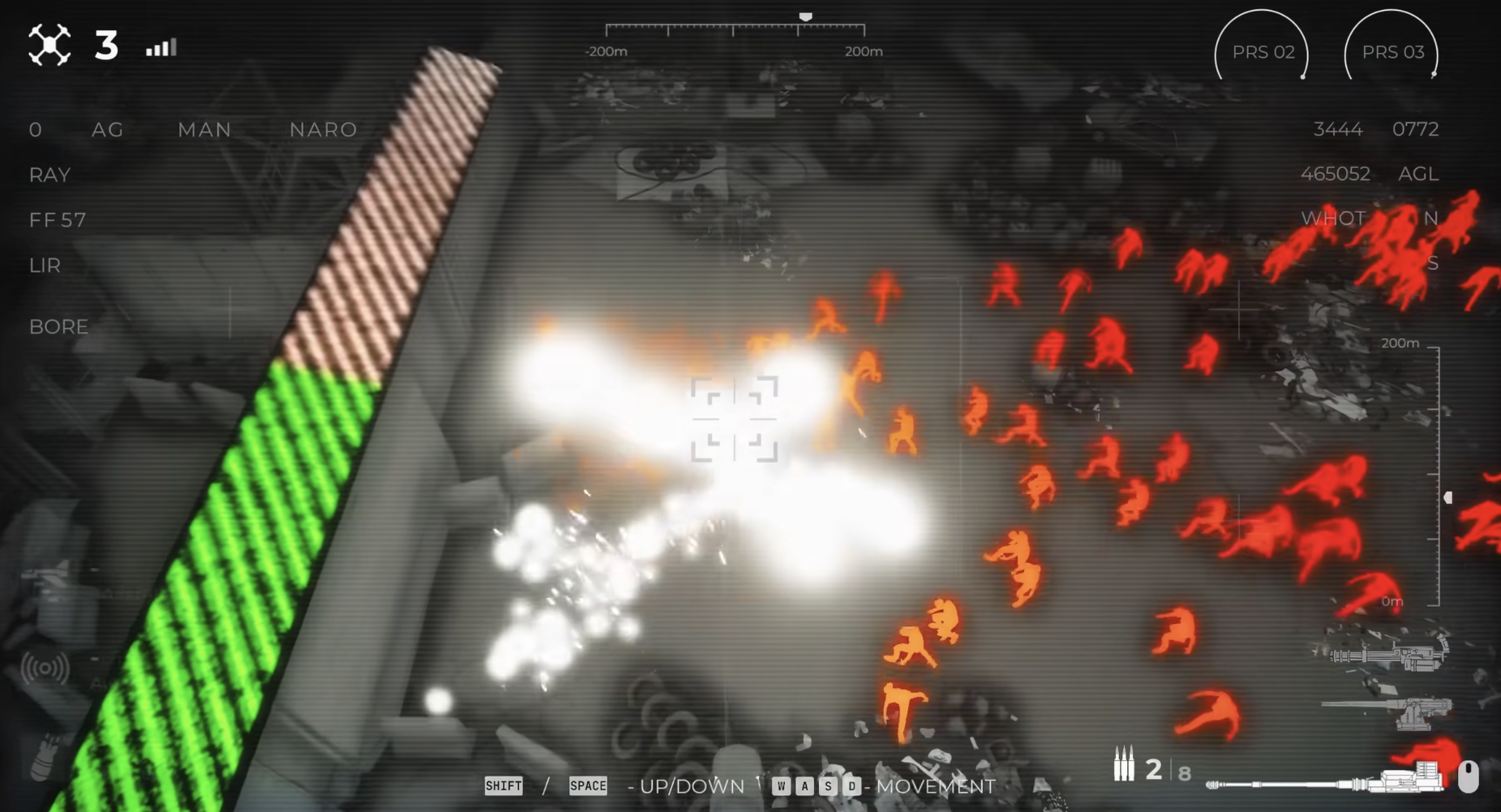
  • Resource & defense loop: keep power/meds/food stable and brace for alarms with drones and guards.
  • Consequences: developer Q&A clarifies that sending one infected inside can wipe the entire block.
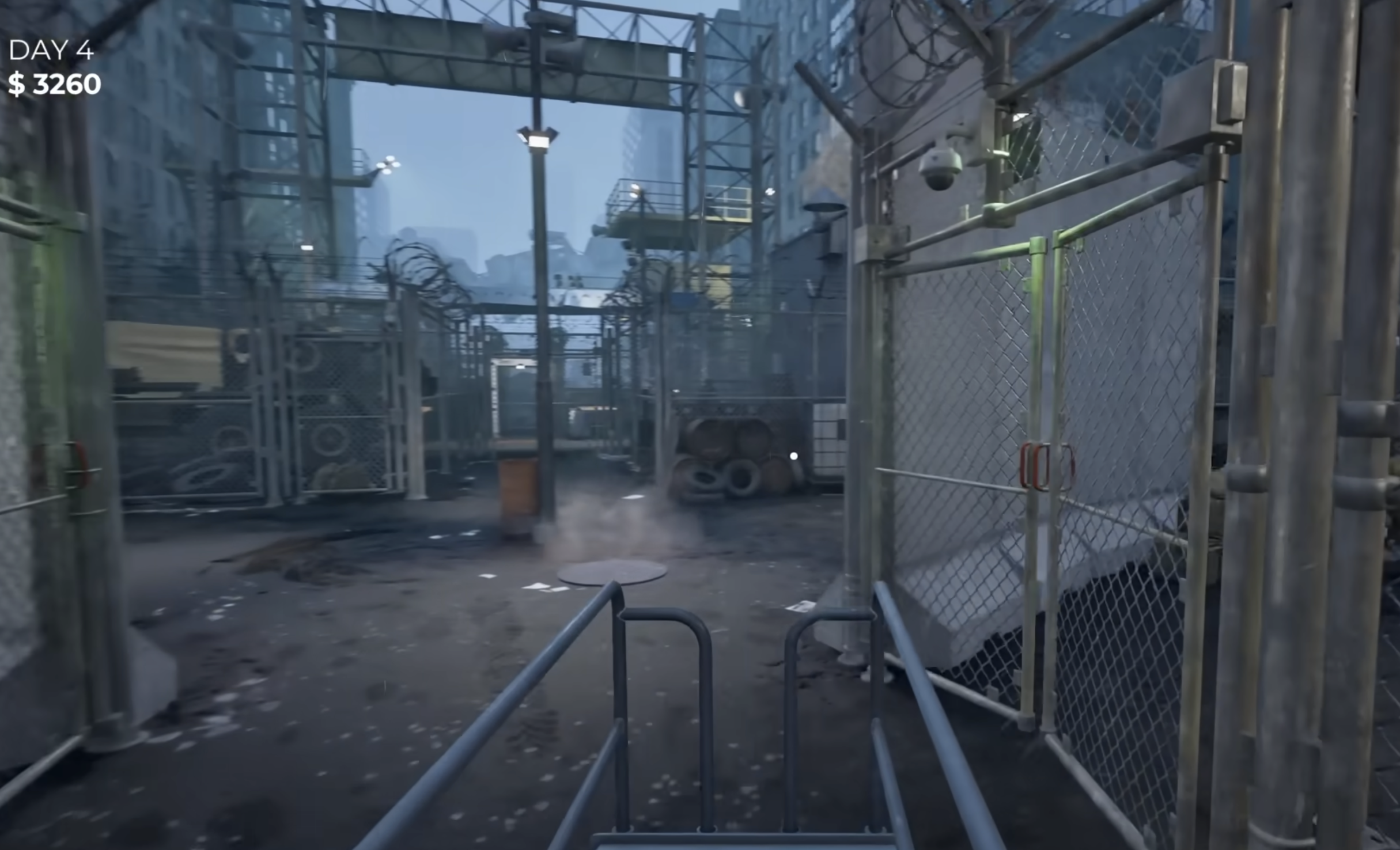
Checkpoint yard showing survivor queue and inspection area

Systems that add depth

  • Escalating criteria: more symptoms and rules over time force faster, sharper inspections.
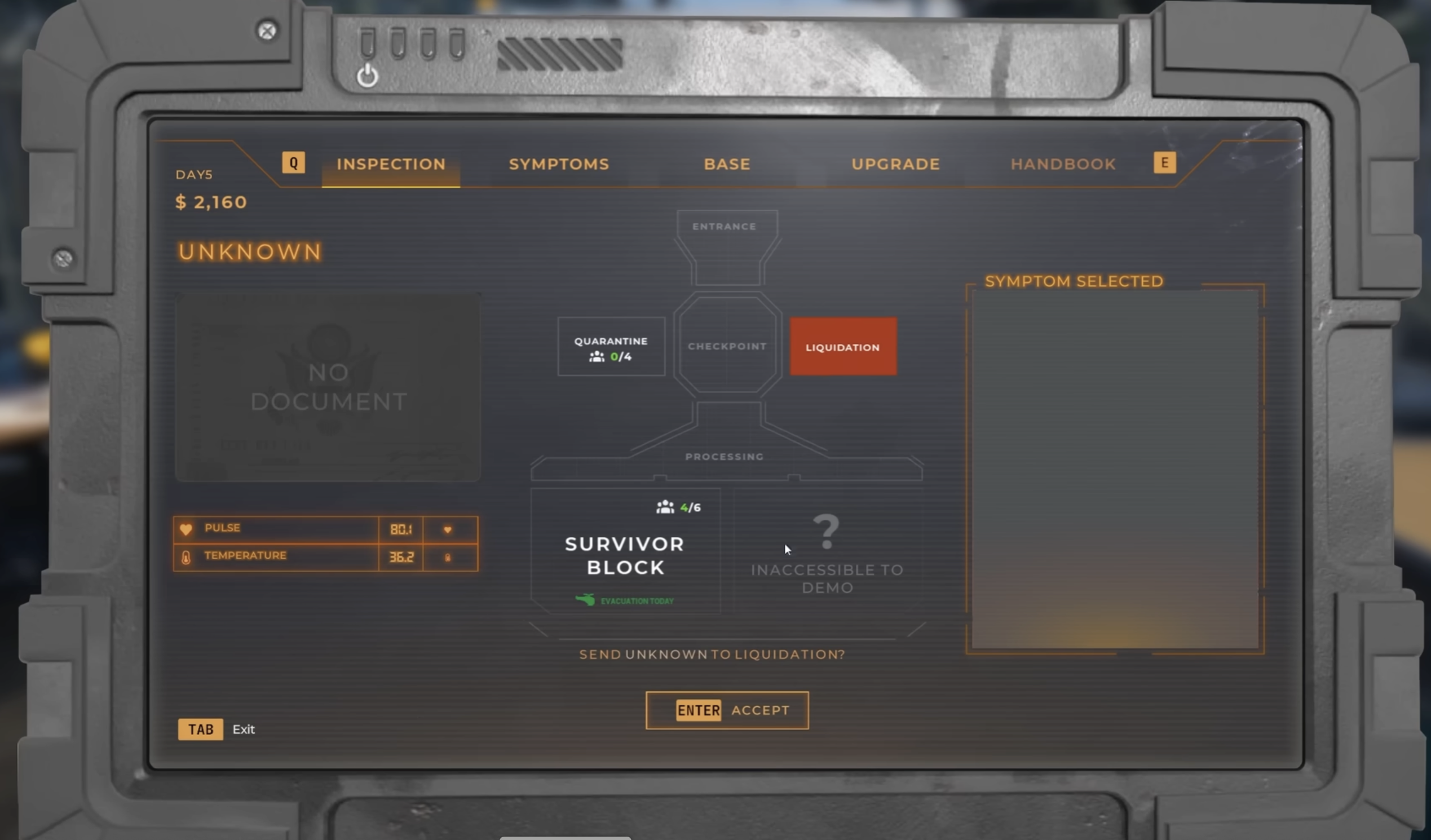
  • Routing decisions: clear, quarantine, research, or liquidate—each affects morale and resources.
  • Defense cadence: alarms inject action; mistakes earlier can snowball into tougher breaches.
  • Base upgrades: scanners, clinic, defenses, and staff efficiency tune how forgiving the loop feels.

What players keep asking for

Summarized community asks (not confirmed features):

  • Co-op / role rotation: alternating scanner, base manager, gate guard roles.
  • K-9 detection: dogs that sniff infected blood to reduce misses.
  • Factions & returning survivors: infiltrators, cultists, and families who reappear across days.
  • Broadcast/morale layer: messaging that changes survivor flow and pressure.

Player feedback suggests these ideas resonate, but the team has said PC core quality comes first.

Moments that drive tension

  • Moral calls: separating families or denying parents with concealed wounds.
  • Accidental violence: misclicks or “gut calls” that happen to be correct when targets are infected.
  • Guard responsiveness: players notice when guards fail to react during a rush.
  • Pace vs accuracy: rushing inspections leads to wipes; careful play feels closer to Papers, Please.
Decision screen showing clear, quarantine, or liquidate options

Risks and polish targets (player feedback)

  • Shared quarantine rooms: mixing clean and infected feels punishing; players want clearer separation or extra checks.
  • Necrosis vs bruise clarity: UI teaching needs to reduce misreads.
  • Controls/UX: handheld users flag missing “Next” prompts; weapon wheel misfires are a frustration point.
Thermal defense view during an alarm segment